What Is Matcha, and Why Does It Cost More?
Matcha is the one category on our menu that carries an upcharge, a dollar per guest, and people ask about it constantly. Fair question. Here is what matcha actually is, what makes it different from the green tea in a tea bag, and why it costs what it costs.
What is matcha made of?
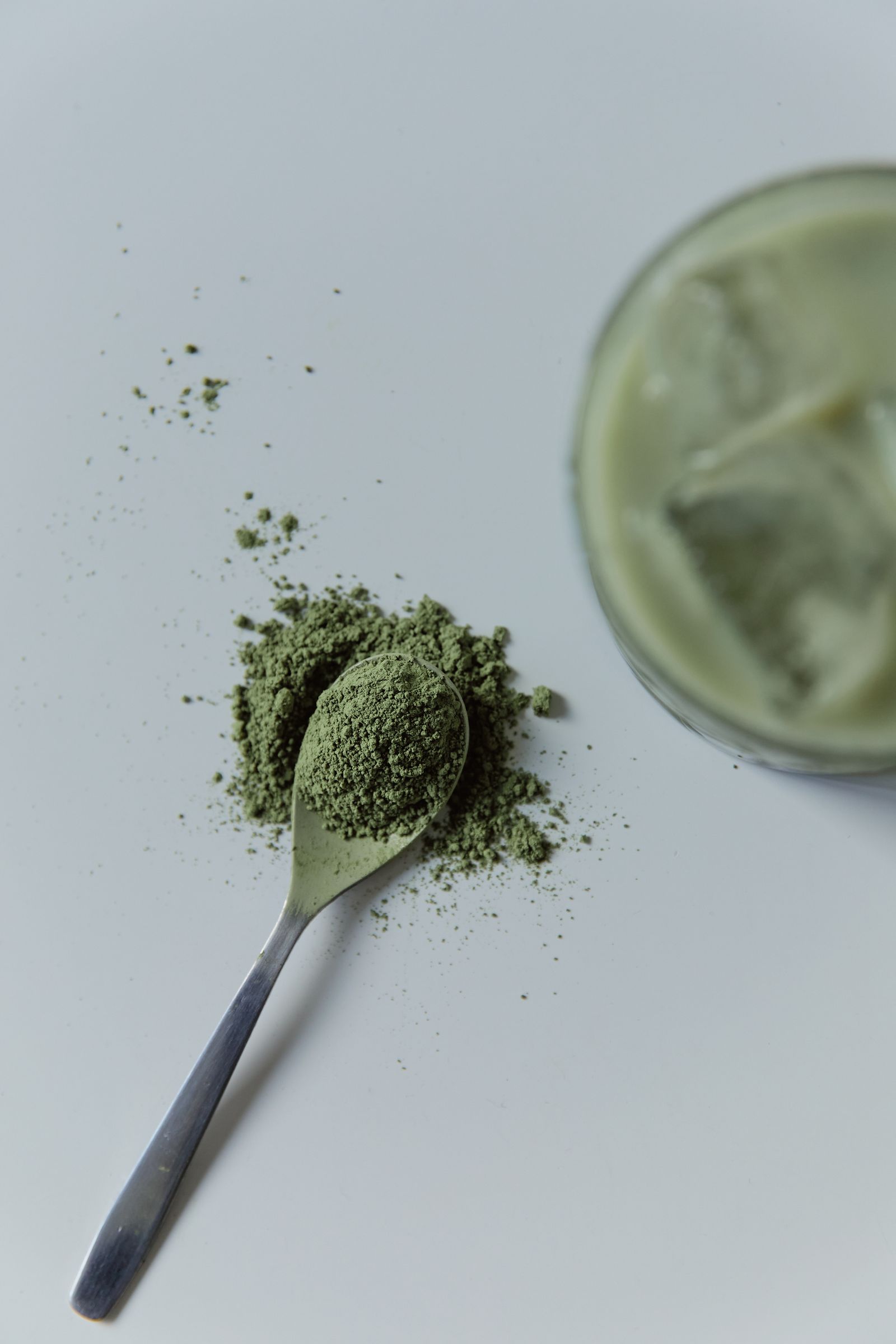
Matcha is green tea leaves ground into a powder, so you drink the whole leaf instead of steeping it and throwing it away.
That one difference explains almost everything else about it: the stronger taste, the thicker texture, the higher price and the higher caffeine. With regular tea you steep leaves in water and discard them, so you only get what dissolves into the water. With matcha the entire leaf is suspended in the drink and you consume all of it.
How is matcha made?
Slowly, and the process is the price.
- The tea plants are shade grown for several weeks before harvest, which changes the leaf chemistry and produces the deep green color and the savory, less bitter flavor.
- The leaves are steamed, dried, then de-stemmed and de-veined.
- What remains is stone ground into a fine powder, traditionally very slowly. That grinding step is a real production cost, and it is a large part of why matcha is expensive.
Grades matter too. Ceremonial grade comes from the youngest leaves of the first harvest, is brighter green, and is smooth enough to drink plain with just water. Culinary grade comes later in the season, is more bitter, and is made to be mixed with milk and sweetener, which is the lane boba drinks live in. Ceremonial costs multiples of culinary.
Is matcha stronger than green tea?
Yes, meaningfully. A typical matcha serving carries roughly double the caffeine of a cup of steeped green tea, though it varies by grade and by how much powder is used.
We will not quote you an exact milligram figure, because anyone who does is pretending to a precision that does not exist. What we will say plainly: matcha is the highest caffeine drink on our menu, and that is the practical thing to know if you are planning a school event or an evening reception.
Does matcha have more caffeine than coffee?
Not typically. A regular serving of matcha generally lands below a standard cup of coffee, but above steeped green tea.
The reason matcha feels different to a lot of people is that you are consuming the whole leaf, and the caffeine arrives alongside everything else in it. For planning purposes, treat matcha as the strongest tea on the menu, not as an espresso.
What does matcha taste like?
Grassy, savory and a little bitter. It is genuinely not for everyone, and you should know that before putting it in front of a hundred guests.
People who love matcha really love it, and it has a loyal following. But it is a polarizing flavor in a way that Classic Milk Tea is not. Our advice: matcha earns its slot when you know your crowd wants it, not as a default. The Strawberry Matcha Latte softens the grassy edge considerably and is the friendlier introduction.
Why does matcha cost more at an event?
Because it is the most expensive ingredient on our menu, and because it is whisked to order instead of poured from a batch.
That is the whole answer, stated without apology. Good matcha powder costs far more than brewed tea, and every matcha drink is made individually, which costs time in the line. Both of our matcha drinks, the Matcha Latte and the Strawberry Matcha Latte, carry the same one dollar per guest upcharge, and it applies once per package no matter how many matcha drinks you pick. The full breakdown is on the pricing page.
One planning note we give every client: because matcha is the highest caffeine option we serve, it is a poor default for school events and late evening receptions. In those cases, point your flavor slots at the caffeine free options instead, and let the matcha lovers find it at a daytime event.
What to do next
Decide whether your crowd is a matcha crowd, then build the rest of your flavors around the milk tea and fruit tea split. The estimator on the pricing page applies the matcha upcharge automatically, so the number you see is the number you get. If you are weighing taro against ube for the specialty slot, our taro vs ube guide sorts that out.
Ready to price your event?
Every rate is published, and the quote form takes about two minutes.