Milk Tea or Fruit Tea? How to Pick
You are staring at a menu with fifteen drinks on it and a guest list with a hundred people on it, and the packages come in twos, threes and fours. Which flavors make the cut?
The fastest way to decide is to stop thinking in flavors and start thinking in categories. Every tea drink on our menu is either a milk tea or a fruit tea, and the two categories behave very differently at an event. Here is what separates them and how to pick.
What is the difference between milk tea and fruit tea?
Milk teas are tea with dairy, creamy and dessert-like. Fruit teas are tea with fruit, lighter and naturally dairy free.
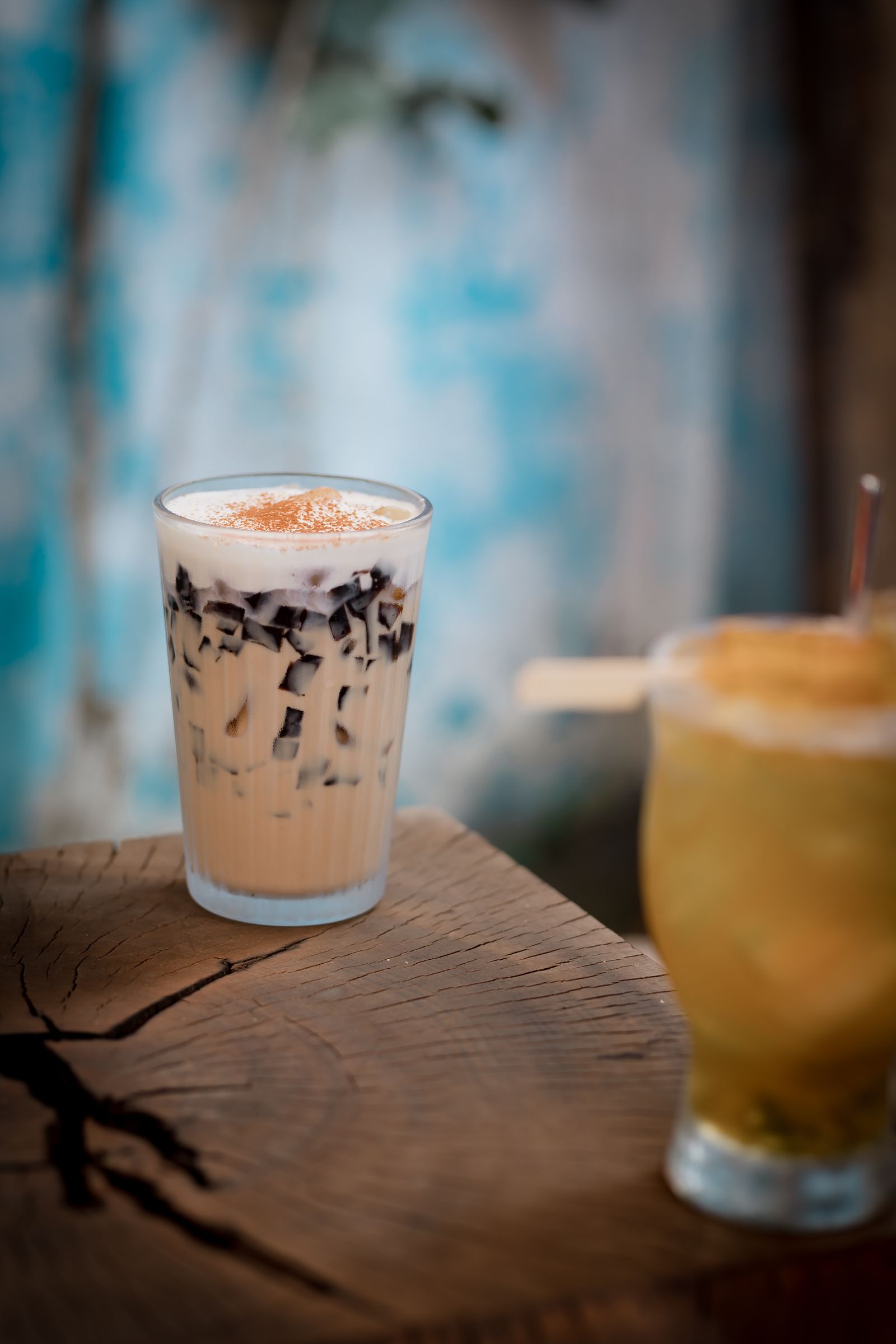
Milk teas are brewed tea plus milk or a non-dairy alternative, plus sweetener. They are creamier, sweeter and closer to a dessert. This is the category most people picture when they hear the word boba. On our menu that is Classic Milk Tea, Thai Tea, Jasmine Milk Tea, Taro Milk Tea and Honeydew Milk Tea.
Fruit teas are brewed tea plus real fruit or fruit puree, with no dairy at all. They are lighter, tarter and more refreshing. On our menu that is Mango Green Tea, Passionfruit Green Tea, Peach Oolong and Strawberry Lemonade.
Most events want one of each, and we will get to why.
Which one do guests actually pick?
Both, in roughly equal measure, which is exactly why a mixed menu matters.
Milk teas are more familiar to people who have never had boba. Classic Milk Tea is the drink that needs no explanation, and at a corporate event or a wedding with a wide age range, that familiarity keeps the line moving because nobody stands there decoding the menu.
Fruit teas pull the guests who want something lighter, the guests avoiding dairy, and the guests who just came in from the Texas heat. A creamy milk tea at an outdoor August event lands heavy. A mango green tea lands exactly right.
Kids tend toward the sweeter milk teas and the fruit flavors, not the roasted or floral ones. If your guest list skews young, weight your picks accordingly.
One more practical note: milk teas hide the pearls visually. Fruit teas are clearer, so the boba shows through the cup, and that photographs better. If drink photos matter to your event, fruit teas do more work.
Are fruit teas dairy free?
Yes, every fruit tea on our menu is naturally dairy free, no substitution request required.
That is worth more at a hundred person event than it sounds. Every milk tea can be made dairy free too, but the guest has to know to ask, and the bobarista has to catch it in a moving line. A fruit tea on the menu quietly covers every guest with a dairy restriction without anyone saying a word. It is the lowest-effort inclusion you can buy.
What about drinks that are neither?
A few drinks sit outside both categories, and they are some of the most useful ones on the menu.
Brown Sugar Boba Milk, Strawberry Milk and Ube Cream contain no tea at all, so they are neither milk tea nor fruit tea in the strict sense. That also makes them caffeine free, which is why one of them earns a slot at almost every evening event and school function we cater.
How many of each should you book?
At least one of each. That is the whole trick.
This is the reason a three flavor package works so well at a mixed event. One milk tea, one fruit tea and one specialty covers nearly every guest you will ever have: the boba regular, the dairy free guest, the kid, and the person who has never had boba and wants the safe one. It does all of that without slowing the line the way four choices would, because every extra option adds decision time to every guest behind the person deciding.
Our pricing is built around exactly this logic, and the estimator will show you what each package costs at your headcount. If caffeine timing matters for your event, the same decision framework applies to matcha, which is its own conversation. And if you are weighing taro against ube for a purple slot, our taro vs ube guide breaks down the difference.
What to do next
Look at your guest list, count the kids and the no-dairy guests, and pick from there. Then open the menu, choose your one of each, and run the numbers on the pricing page. The quote form takes about two minutes after that.
Ready to price your event?
Every rate is published, and the quote form takes about two minutes.